Hello Spring, Hello Greens
As the days start to warm up here in Melbourne, you might notice your body asking for something different.

Bloated Again?
I know what it is like when digestive discomfort starts controlling your life. You absolutely should not have to plan your entire day around where the nearest bathroom is, or feel uncomfortable in your own body. Here is what I want you to know. There is a better way. Digestive issues do not have to run your life.

Advocate For Yourself
This week is Women's Health Week, and it has had me thinking about something I do not believe gets said enough, to anyone.
Advocate for yourself.

$100 For Every Time I'm Asked About Creatine
If I had $100 for every time someone asked me about creatine, I could possibly retire tomorrow. It is, without doubt, one of the most talked about supplements in my clinic right now. Here is what the evidence currently tells us.
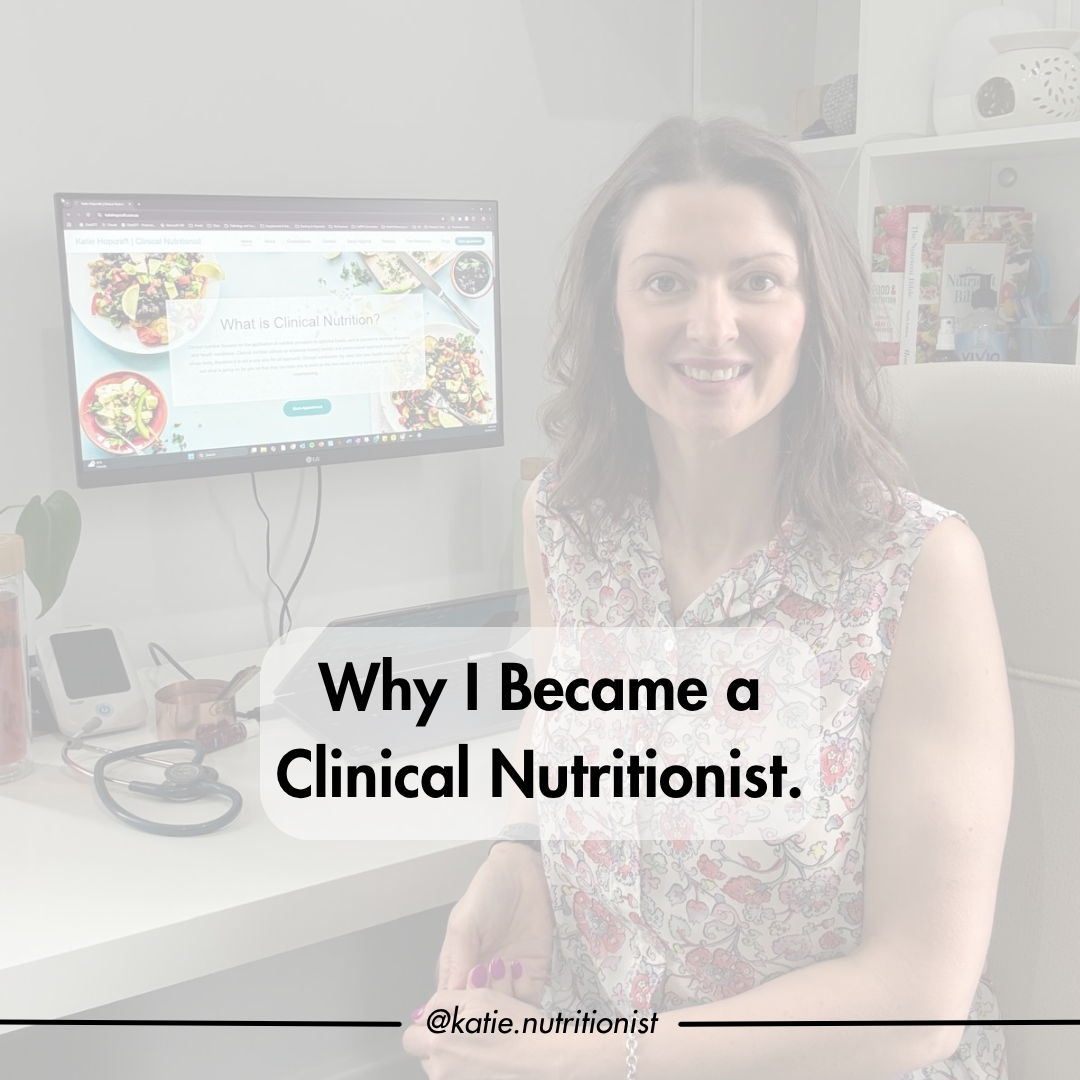
Why I became a Clinical Nutritionist
If you had told me a decade ago that I would end up running my own nutrition practice, I am not sure I would have believed you.
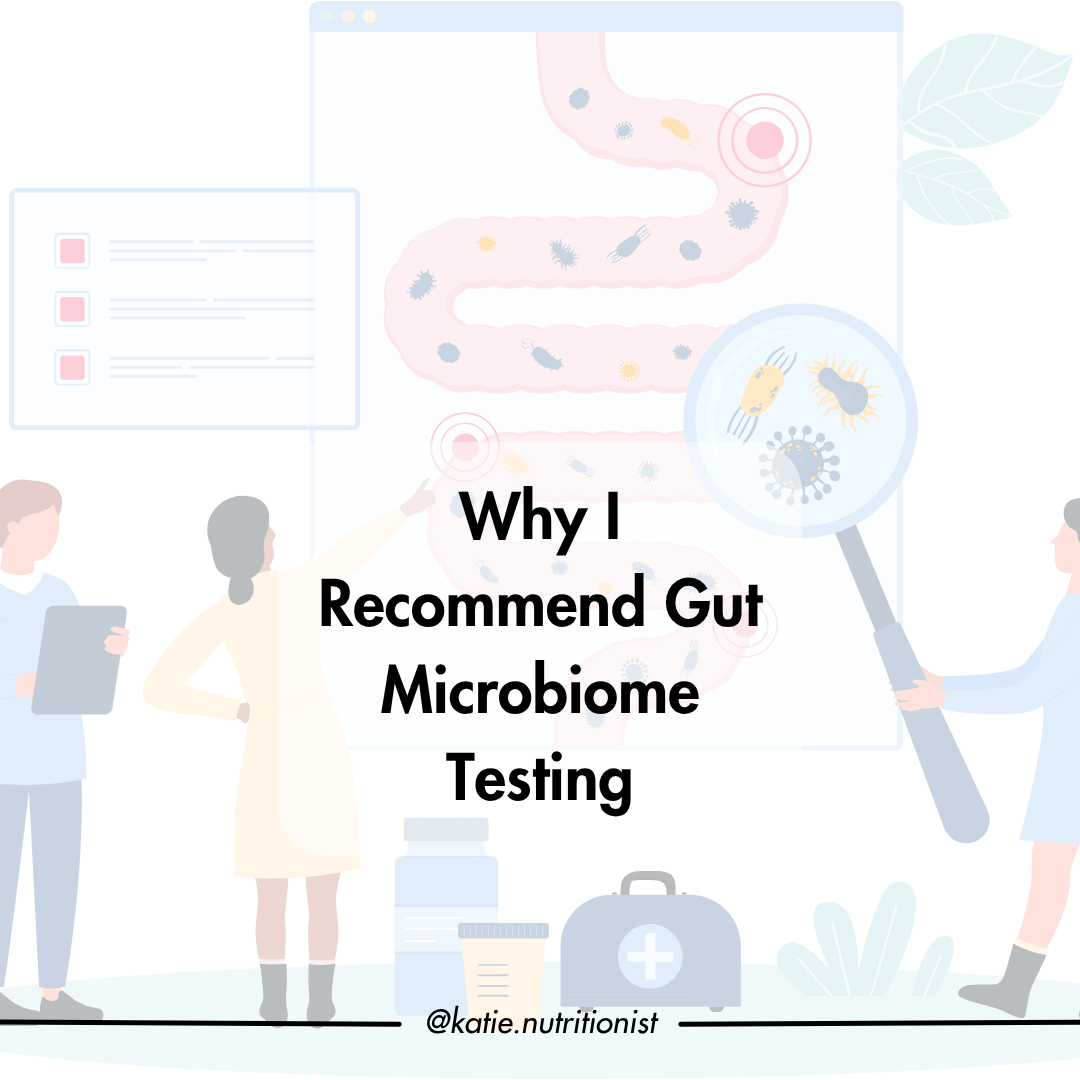
Why I Recommend Gut Microbiome Testing
As a Clinical Nutritionist, one of my areas of special interest is working with people to support their gut health. This often shows up as bloating, constipation or other digestive issues. Which means that gut microbiome testing can be a really valuable tool to get to the bottom of what is really going on. However, the benefits of gut microbiome testing go beyond just supporting digestion.

Why I Prioritise Sleep
If you asked me to name one habit that many people may not realise quietly undermines gut health, hormones and mood, I would say sleep.
10 Simple Ways to Eat More Vegetables
Most of us know we should be eating more vegetables. The tricky part is turning that knowledge into a habit that actually sticks.
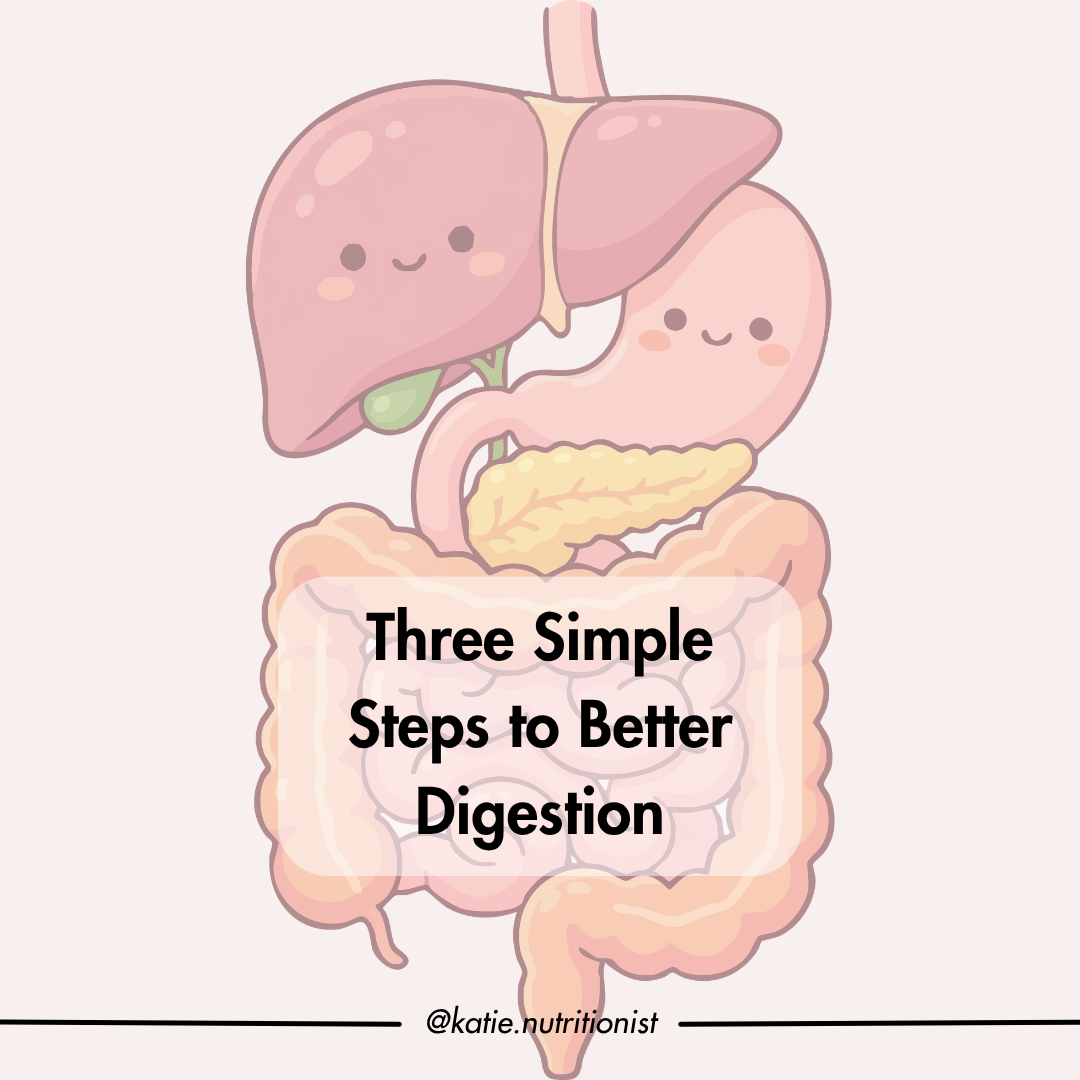
Three Simple Steps to Better Digestion
Good digestion does not start with the first bite. It starts before you even pick up your fork.
The Bitter Truth About Digestion
If you have worked with me for some time, chances are you have likely heard me bring up bitter foods in relation to your digestion. There is good reason for that.
30 Plants a Week for Gut Health
If you have been to see me in clinic lately, you may have heard me bang on about plant diversity in the diet. Eating 30 or more different plant foods a week is not just a wellness trend, it is backed by genuine research.

Winter Wellness Starts in Your Gut
Every winter it is the same story. Some people around you seem to glide through cold and flu season without missing a beat, while others (and you might be one of them) seem to catch every single thing going around. And it wipes them out for days on end.
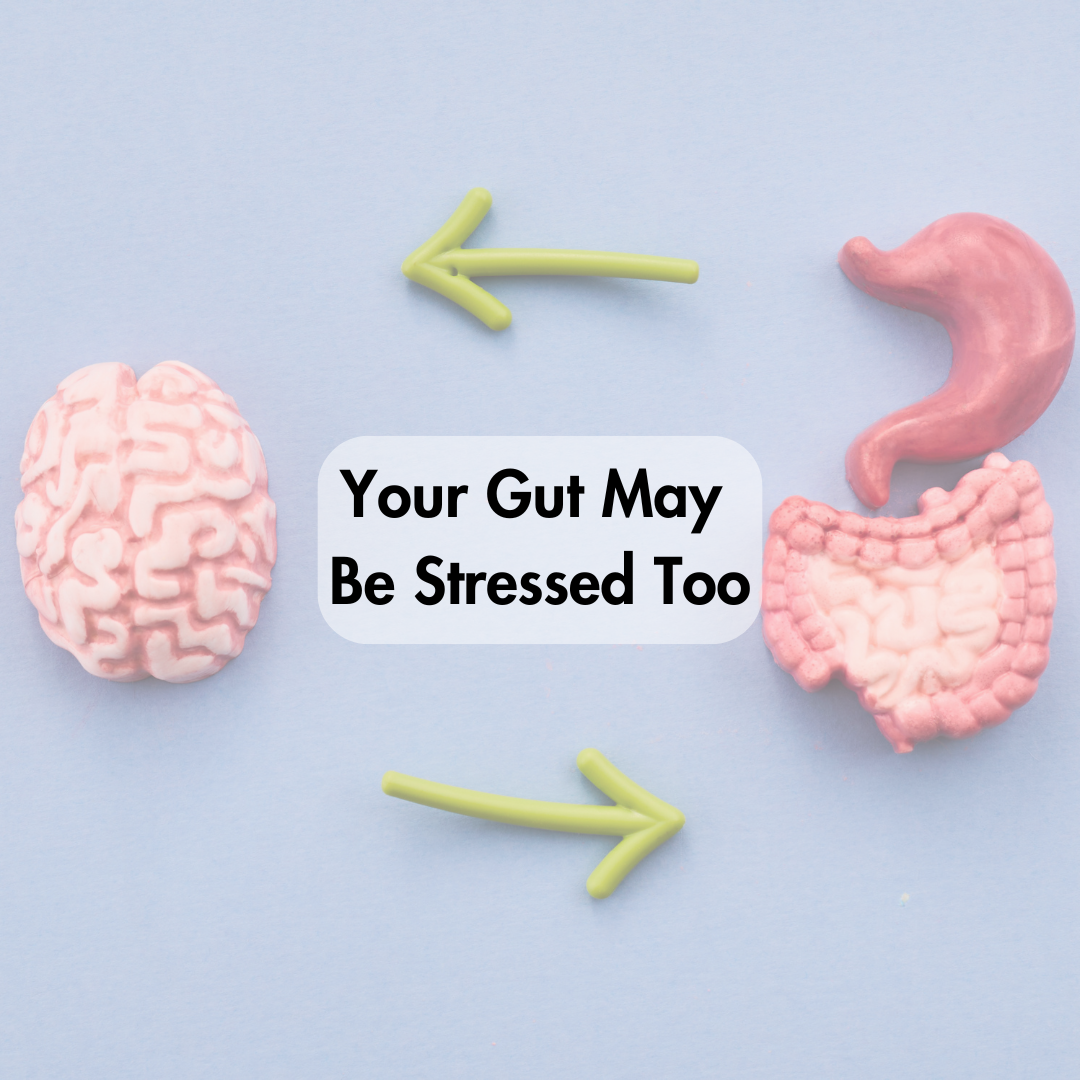
Your Gut May Be Stressed Too
Stress can disrupt the composition of your gut microbiome, weaken the gut lining, and can trigger an inflammatory response. That inflammation is fed back to the brain, amplifying anxiety, lowering mood, and making you feel even less equipped to handle whatever is on your plate.
Stressed Out? 4 Simple Nervous System Supports I Love.
Stress is something we all experience, but when it becomes ongoing, it can influence many areas of health. Here I share four of my favourite ways to support the nervous system.

5 Tips for Winter Wellness
As we move into winter here in Melbourne with cooler temperatures, shorter days, and a season that can quietly chip away at our energy, immunity (and mood!), I start to see the same patterns every year. People arriving in my clinic feeling run-down, sluggish, and wondering why their healthy habits seem to stop working when winter kicks in.
The good news? Getting back to basics can make a real difference.
Movement Snacks
I was first introduced to the concept of "movement snacks" at the 2024 Australasian College of Nutritional and Environmental Medicine conference where Dr Paul Taylor, a psychophysiologist, neuroscientist and an exercise physiologist, spoke about this beautifully simple idea.
It has stuck with me ever since.

Feeling Tired? All. The. Time.
You wake up after a full night's sleep and still feel like you are dragging yourself through wet concrete.
You rely on coffee to function.
You feel yourself crashing by 3pm and reaching for a quick energy fix from sweets or carb-heavy foods.
You can barely remember what "energetic" felt like.
Do any of these sound familiar?

GLP-1's Alone Are Not A Nutrition Plan
GLP-1 medications are changing the weight loss and health landscape in Australia and globally. However, there is a nutrition concern quietly building alongside them, and almost nobody is talking about this.

Magical Magnesium
Magnesium is one of the most underrated minerals in clinical nutrition, yet it underpins hundreds of essential processes in the body.
The Autumn Reset
With the change of seasons, and as we head into cooler weather there is a natural opportunity to look inward and ask ourselves "Is my immune system ready?".
The good news is that with a little nutritional and lifestyle support, you can head into autumn and winter feeling resilient and well.